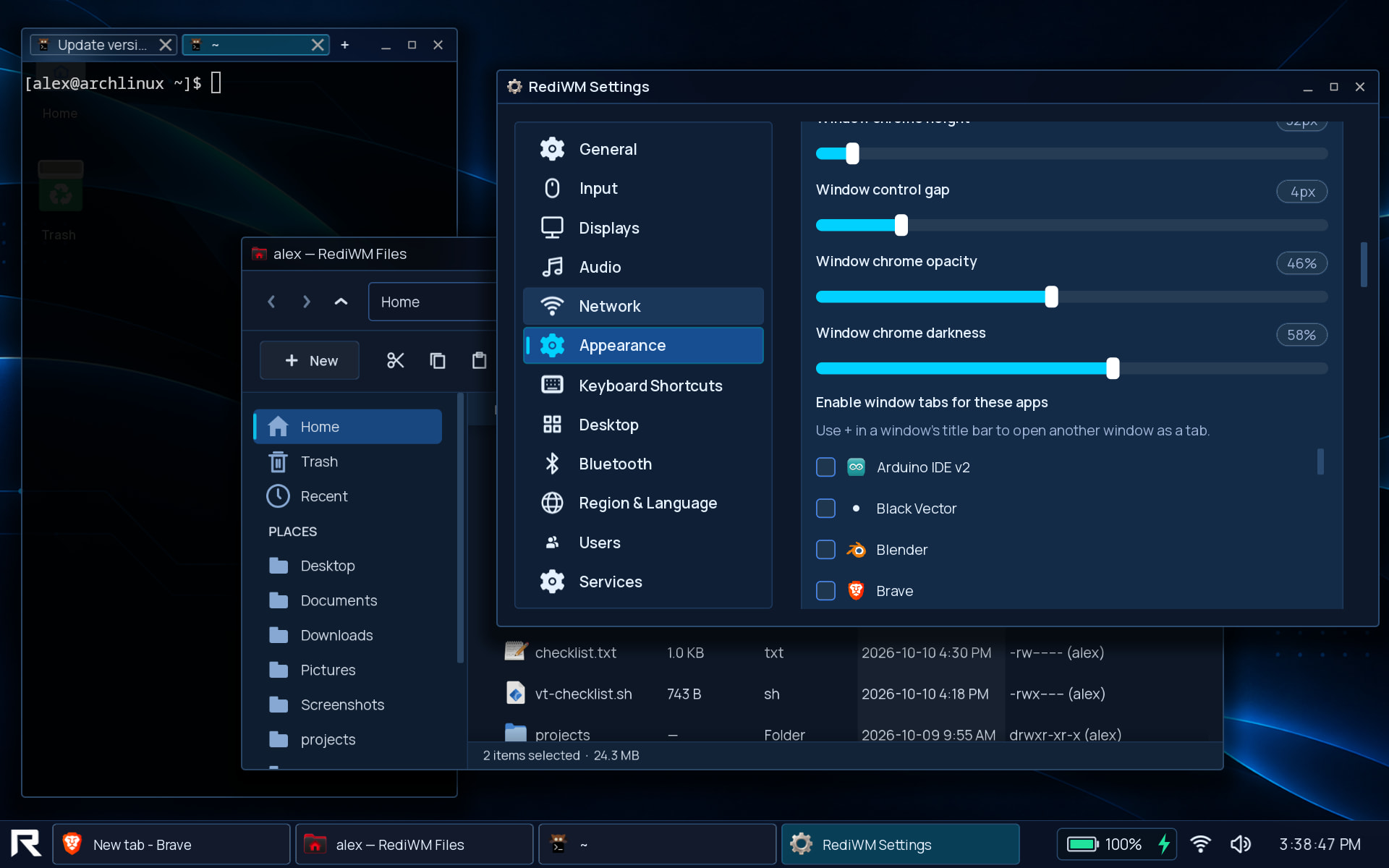
An open source Wayland compositor and DE as one process
6 Likes
Fooling around with some software that’s been around a long time. Trying an old tutorial, just for fun. Right away, a problem: the demo file given was written by an old version of the software, using big-endian byte order, which was obsoleted during the last ice age. Stuck! So how about a simple command line tool that can parse the data file, swap to little-endian, and write out a useable file? Seems like a good way to practice basic Zig development. Usually I’d use D, Crystal, or Vala for any quickie tool, but I want a small executable and no garbage collection, fast, compile to machine code. And Zig is becoming popular, at least in some circles, in embedded and systems programming.
2 Likes
I’ve been experimenting with comptime to allow importing a wasm module as if it was a Zig file, converting the wasm to Zig code entirely statically. I don’t expect it to be very useful, but it’s a fun project. I’m not too far into it right now, but the basic concept is already working and you can see the bones of it here: GitHub - eira-fransham/import-wasm: Fully userland `import("foo.wasm")` for Zig, generating Zig code from the module directly using `comptime` · GitHub
Long story short, I generate a struct as the “stack”, with comptime fields for statically-known values (i.e. Wasm’s const instruction) and stack manipulation instructions only operating at the type level and not requiring any runtime work. Wasm locals are converted to stack manipulation (peek, poke and swap) and control flow is flattened, a trick I learned when implementing a Wasm compiler a number of years ago which makes implementing Wasm compilation way easier.
8 Likes
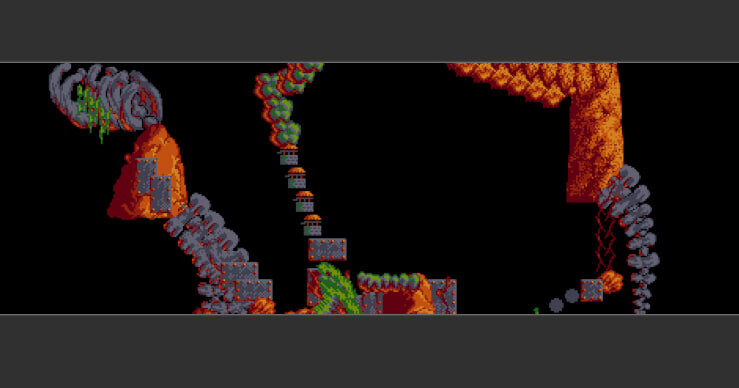
To add some details about the game. It is of course is based on the original lemmings game.
- It produces levels based on a 64 bits usersettings key combined with a random 64 bits seed. We will have more lemming levels than there are sandgrains on earth I think.
- The tiles and traps have detailed information about size, density and shape.
- I made some game mechanics more precise: back in the 90’s there were severe memory limitations.
- The game is using SDL3. Planning to make versions for windows, linux, phones.
Now experimenting with a homegrown random drunken walking tilebrush swiper which looks already quite fantastic!
11 Likes
I have such fun memories of playing Lemming 
Guess that makes me old.. But so cool you reviving this
2 Likes
Nice! My favorite Amiga game at the time. I remember fondly the long drive to London for the game’s launch, and meeting the Psygnosis team. I still have some of the promotional materials and original demo disc  I recall capturing all the animation frames to throw into DeluxePaint to make a demo disc animation for some friends. Oh no! I’m showing my age
2 Likes
The Amiga version used 2 times higher resolution pictures. I still have all higher-res images for the old Mac version. At a later stage I probably will add these high-res pictures as well, although that influences mechanics quite severely.
I updated an old mustache template renderer to zig 0.17. It was an old project I made as an excuse to learn zig but I’m endeding up with a real use case for it so I’m dusting it off and finally bringing it to an usable state.
4 Likes
I just finished my game Nano Dash and it is now on Steam. you can also play a demo for free if you like. The game is entirely made with zig and uses raylib as single dependency.
Have fun playing!
11 Likes
Working on Anole, a batteries included Zig backend framework:
3 Likes
I’m working on a self-hosted list sharing app that uses CRDTs for simultaneous edits. It grew out of my frustration with using an android app.
The incessant ads were annoying, but the big problem was spurious swipe gestures. Small framerate hiccups while trying to scroll vertically produced large enough horizontal swipes which checked off or deleted items off the list.
4 Likes
I haven’t been doing too much programming for fun lately (haven’t had the mental energy to make progress on any of my projects) but at work I’ve been enjoying vibe-coding useful tools in Zig - both from-scratch tools like a behavior tree editor & visualizer (using @david_vanderson 's DVUI package), a TUI console log view tool capable of filtering by log component and level, and a ROS1 bag interaction tool capable of reading, indexing, and filtering bag files - very useful for listing all topics in a file, dumping all messages from a topic, viewing all messages in a specific time window, etc.
Technically tools already exist for the last point - ROS bags - but they are written in Python, stupid slow, and require gigabytes of system dependencies. Meanwhile the Zig version has zero dependencies, took me 20 minutes to implement, and runs as a <1MB binary.
I’m not a huge proponent of LLMs, but my god, it is so satisfying to quickly build a useful tool to solve a problem without requiring 1,000 system dependencies that I can then share with my coworkers (have I mentioned I hate Python?)
5 Likes
I developed a lightweight macOS daemon to set the preferred microphone as the default input device, because I got tired of manually switching it every time I reconnect my USB hub.
3 Likes
I previously shared Zova 1.0.0 update back in September and I’ve continued working on it since then. Today I released v1.4.0 (which is another huge milestone for me!)
For those unfamiliar, Zova is an embedded database built in Zig on top of SQLite, combining records, objects, vectors, and graphs in local storage.
Since v1.0.0, I’ve made quite a few improvements, including:
-
A portable C plugin system, with experimental HNSW vector indexing and PageRank extensions.
-
Better graph performance and expanded plugin capabilities.
-
Expanded browser WASM support, alongside the existing Rust, Python, Go, and JavaScript bindings.
-
Much faster object storage operations, including hardware-accelerated SHA-256 and seekable object readers.
-
Disk space reclamation and improved backup, compaction, and migration operations.
I’m particularly happy with the performance improvements in v1.4.0. For example, deleting a 64 MiB object from a store with 1 million manifest rows went from around 12 minutes to just 0.11 seconds in a local benchmark.
I’d be glad to hear any feedback, suggestions, or ideas.
4 Likes
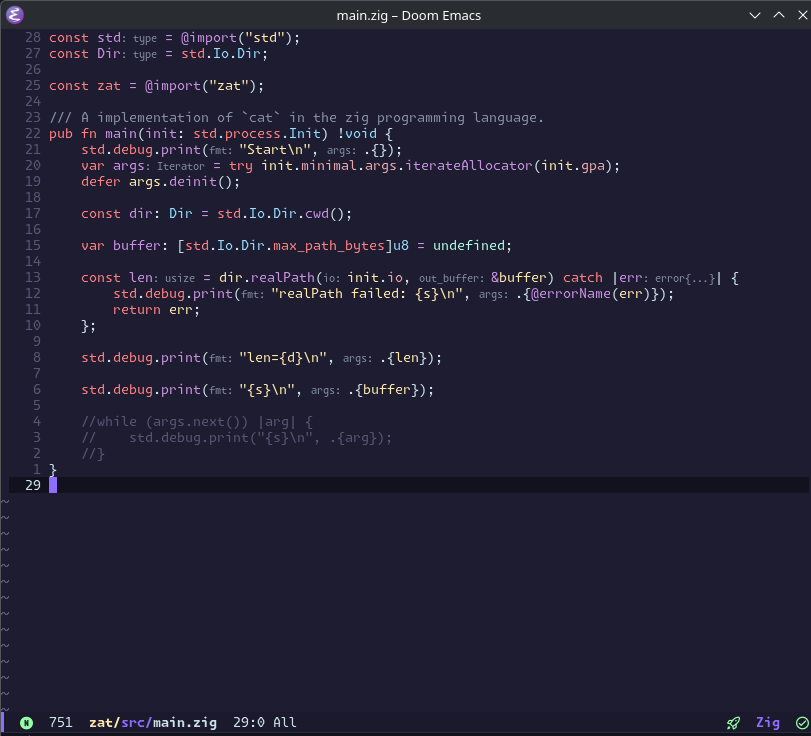
I am working on learning Zig. I’ve dabbled in it in the past, but never stuck with it. With an added rule of I have to code it “by hand” to the best of my ability. I can google search, and avoid AI as much as possible.
I started with ziglings, but I paused after 12 lessons to go try to create cat bash tool. I will return to ziglings after.
8 Likes
Just pushed through the mammoth task of updating my cd helper tool https://codeberg.org/tranzystorekk/zioom to zig 0.17
I quickly realised that’s not enough work, so I also replaced libvaxis with @lukeflo 's https://codeberg.org/lukeflo/dabeob
Maybe it’s finally time to start another project, but I’ll let the muse come to me at her own pace 
5 Likes
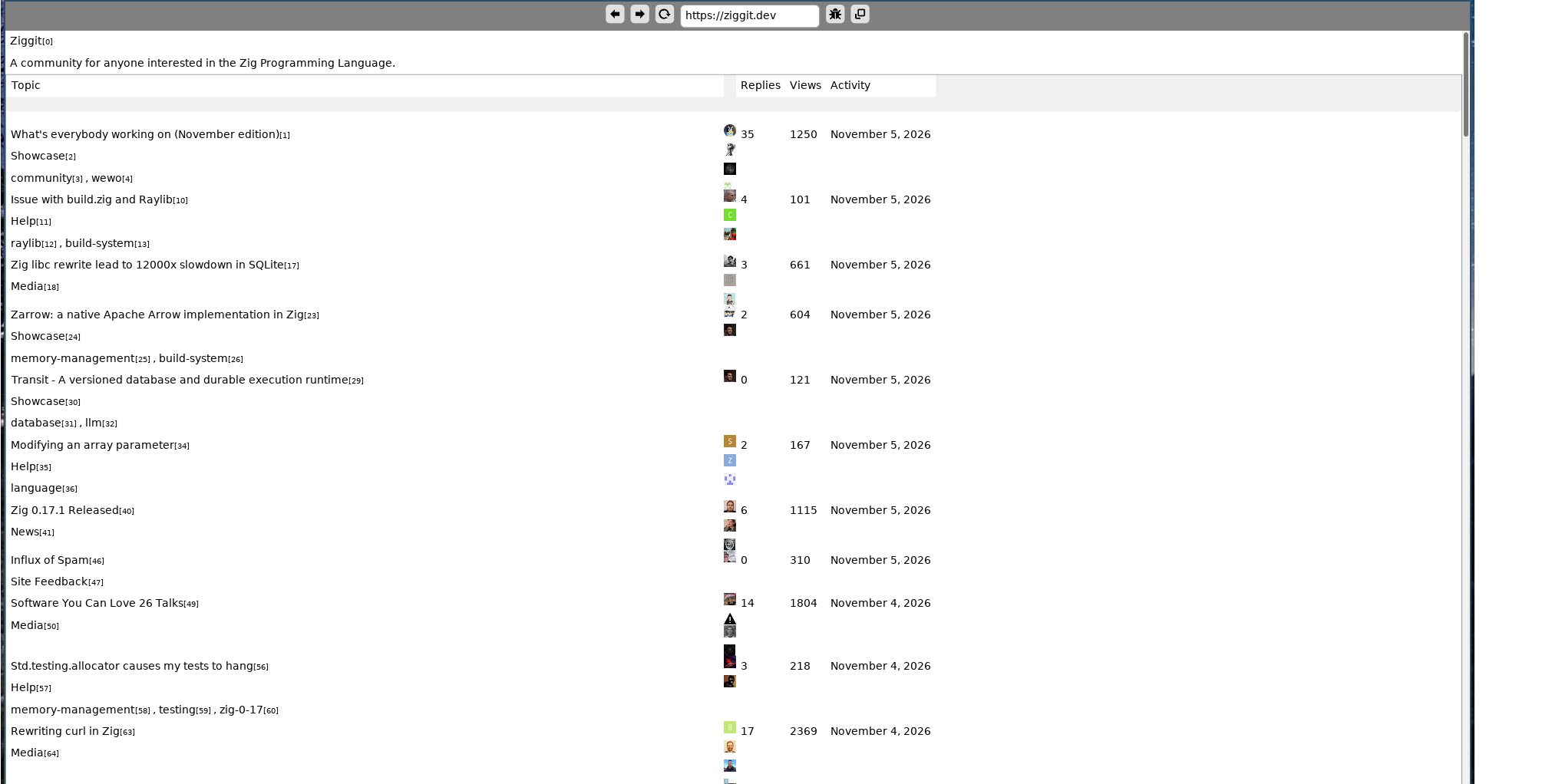
I haven’t had as much time to put into it, but I’m still working on my toy browser. The main improvements were getting all images loading with a command. By default, it doesn’t download any images unless the user requests it.
For November, I hope to add a settings page and get form and input elements working.
7 Likes
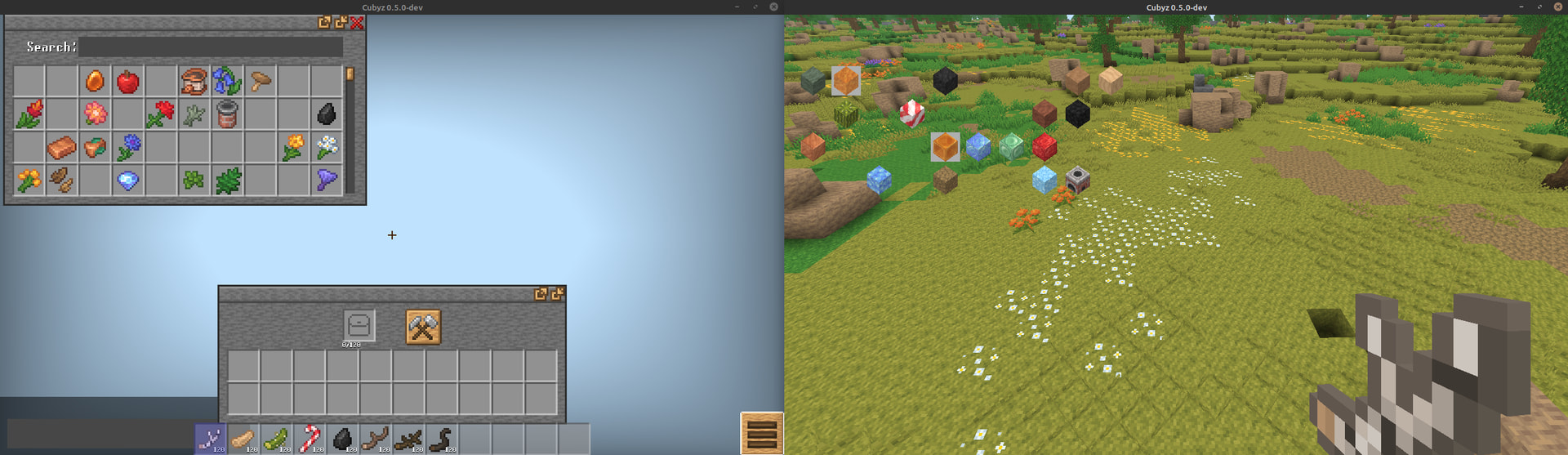
I’m still working on Cubyz, these days mostly on the Vulkan rewrite, which has been creeping along for the past months now. Though it’s quite fun moving things step by step from the OpenGL window (on the right) to the Vulkan window (on the left). I think it’s about 75% done by now (most decisions are made, only a few shaders are missing), hoping to get it finished (and have on-par performance) before the end of the year.
20 Likes
Like some in this thread I also got demotivated by all the AI doom there is. But I started realizing that for my personal projects I just don’t have to use AI and enjoy the process of figuring things out. As a result I stopped using AI at work as well: I feel more productive, but I am not sure if that is actually the case. I do enjoy work a lot more though.
I managed to do everything at work with Zig, which has been a lot of fun to make my life easier by using Zig and its powerful build system to just about cross compile to all the different platforms I need to support. Wrote an application that does color conversion using SIMD, and another one that does Vulkan and OpenGL tests to monitor whether the GPU is still working correctly. Not having to be using Yocto is such a nice feeling.
Otherwise for personal project I managed to define the security layer of my networking layer for my game rewrite. Sadly not much to show yet, but hopefully next month  .
My embedded project of making a homebrew handheld console is going nicely. Did the whole boot-up sequence in Zig. Now working on implementing a bootloader that supports secure boot. Quite a lot of fun to write things so low level. I am mostly using dev kits and I started making a list of all the things I need to start on making a custom PCB to actually make the handheld console.
12 Likes
I feel this too and think that’s a damn good reason 
2 Likes